Where Scammers seek money and Grifters pursue power, Trolls chase something more abstract: reaction. They deliberately provoke emotional responses from others, finding entertainment in the disruption and distress they cause. Understanding Trolls means understanding how attention – even negative attention – can become its own addictive reward.

The Tools of the Troll
The Troll’s primary weapon is emotional manipulation. They’re skilled at identifying sensitive topics, personal insecurities, and community tensions that can be exploited to generate maximum response. A Troll might spend significant time studying a community before striking, learning exactly which buttons to push for the biggest reaction.
Unlike Critics who aim to improve discourse through challenging ideas, Trolls seek to destroy productive conversation entirely. They don’t engage to exchange ideas or reach understanding – they engage to derail, distract, and distress. Their success is measured in derailed discussions, triggered emotional responses, and disrupted communities.
“Don’t feed the Trolls” became common advice for good reason, but it oversimplifies the challenge. Modern Trolls have evolved beyond simple provocative comments. They create elaborate personas, coordinate with others, and launch sophisticated campaigns of disruption. Some even build entire communities dedicated to targeting specific individuals or groups.
The psychology of trolling often involves a disconnect between action and impact. To the Troll, their behavior is “just jokes” or “just internet stuff.” They typically don’t see (or choose not to acknowledge) the real human impact of their actions. This psychological distance enables them to cause genuine harm while maintaining a sense of detachment.
Trolling tactics have become increasingly sophisticated:
- False-flag operations where they pretend to be members of the groups they’re targeting
- Coordinated harassment campaigns where multiple Trolls target someone simultaneously (“dogpiling”)
- Weaponized concern where they frame attacks as legitimate criticism
- “Sea-lioning” where they exhaust targets through endless bad-faith questions
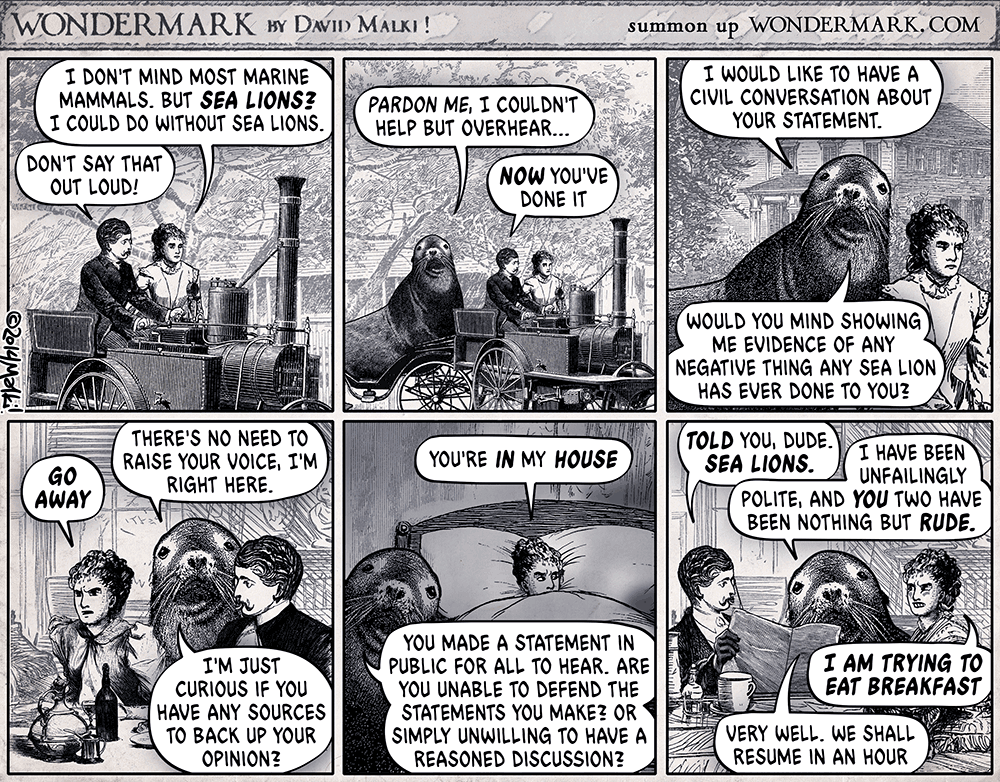
What makes modern Trolls particularly dangerous is their ability to mobilize others. A skilled Troll doesn’t just disrupt – they create cascading disruption by pulling others into conflict. They understand how to frame situations to trigger tribal instincts and group anger, transforming minor disagreements into community-wide battles.
The Troll’s relationship with attention is complex. While they seek reaction, they often work to maintain their own anonymity. This asymmetry – they can see the impact they have while remaining hidden – emboldens them to escalate their behavior. There’s little personal cost to their actions, but potentially significant emotional reward.
How to Spot a Troll
Recognizing Troll behavior requires understanding their patterns:
- They focus on provoking reactions rather than exchanging ideas
- Their “criticism” aims to hurt rather than improve
- They quickly shift positions to maintain conflict
- They celebrate rather than regret when they cause distress
Trolls often defend their behavior as a form of social commentary or stress testing of ideas. “I’m just playing devil’s advocate” or “I’m just asking questions” are common deflections. But genuine devil’s advocacy aims to improve understanding, while trolling aims to prevent it.
The impact of Trolls extends beyond individual targets. Their behavior can poison entire communities, making spaces hostile to genuine discussion. They can drive away valuable contributors, derail important conversations, and create an atmosphere of constant tension that exhausts community members.
Defending against Trolls requires community coordination. Individual blocking and muting helps, but Trolls specifically design their attacks to circumvent individual defenses. Effective resistance requires:
- Clear community standards about acceptable behavior
- Consistent enforcement of those standards
- Support networks for targeted individuals
- Recognition that “just ignore them” often isn’t enough
The Troll persona reminds us that not everyone in digital spaces is interested in constructive interaction. Some people deliberately seek to harm, disrupt, and destroy. Understanding this reality helps us build better defenses and maintain healthier communities.
Remember: Trolls succeed when they make us abandon our values in response to their provocations. The best defense isn’t just ignoring them – it’s maintaining our commitment to constructive dialogue while establishing firm boundaries against destructive behavior.
Next: The Stalker
 THE INTERNET IS SCARY