Just as pickpockets and con artists operate in physical spaces, Scammers prowl the digital world looking for victims. Unlike Grifters who build elaborate long-term schemes, Scammers focus on quick financial gains through deception and pressure tactics. They are digital predators, pure and simple.
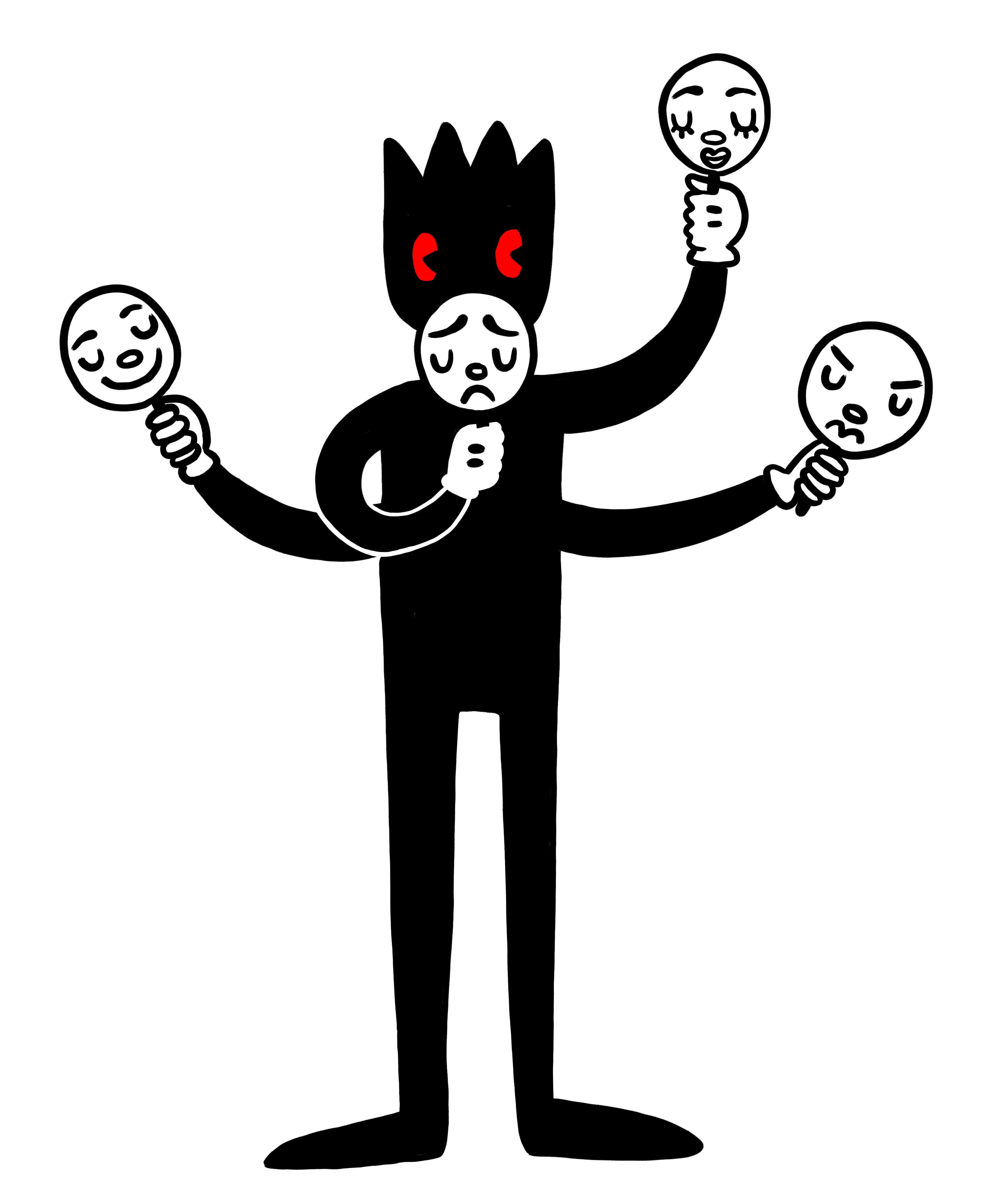
Understanding how Scammers operate is crucial for protection. They play a numbers game, knowing that if they send enough deceptive messages or create enough fake profiles, some percentage of people will fall for their schemes. A Scammer might simultaneously run dozens of fake personas across multiple platforms, each designed to hook different types of victims.
The core of many scams is an artificial sense of urgency. Whether they’re posing as a stranded traveler needing immediate help, a lottery official with time-sensitive winnings, or a potential romantic partner in sudden crisis, Scammers always have a reason why you must act now. This urgency serves two purposes: it prevents victims from thinking critically, and it discourages them from seeking outside advice.
Money is the Scammer’s only true objective. While they might pretend to seek friendship, love, or business partnership, these are merely means to a financial end. Once they’ve extracted money from a victim, they typically abandon that identity and move on. Unlike Grifters who might maintain relationships with victims for years, Scammers prefer quick scores.
Their tactics often exploit basic human emotions: greed (“You’ve won a prize!”), fear (“Your account has been compromised!”), loneliness (“You seem special to me”), or desire to help (“I’m in desperate trouble”). They understand that people in emotional states make poor decisions, so they work to trigger these emotions while maintaining pressure.
Technical deception often accompanies social manipulation. Scammers might create fake websites that mimic legitimate businesses, send emails that appear to come from trusted sources, or use spoofed phone numbers to appear local. These technical elements lend credibility to their stories while making them harder to trace.
Common warning signs of scam attempts include:
- Unsolicited offers of money or opportunity
- Requests for unusual payment methods like gift cards or wire transfers
- Stories that combine windfall opportunities with urgent obstacles
- Romance that progresses unusually quickly to requests for help
- Official-looking messages about account problems requiring immediate action
What makes Scammers particularly dangerous is their lack of investment in any particular identity or scheme. If one approach fails, they simply try another. If one identity gets flagged as fraudulent, they create new ones. This disposable approach to identity means they take risks that more invested personas avoid.
The rise of cryptocurrency has given Scammers powerful new tools. Crypto transactions are typically irreversible and difficult for non-experts to trace, making them ideal for fraud. Scammers have adapted quickly, creating elaborate schemes around fake crypto investments, non-existent mining operations, and fraudulent trading platforms.
Protecting yourself from Scammers requires constant vigilance. They excel at creating situations that seem unique or exceptional – circumstances where normal rules supposedly don’t apply. Remember: legitimate organizations don’t demand immediate payment through unusual channels. Real opportunities don’t require upfront fees. True romance develops gradually, not in whirlwind requests for money.
Think of Scammers as digital velociraptors: they’re constantly testing fences for weaknesses, they hunt in packs, and they’re utterly ruthless once they find a way in. The best defense is to recognize their hunting patterns and avoid situations where they commonly operate. Never let urgency override your normal security practices.
Most importantly, understand that falling for a scam doesn’t make someone stupid or gullible. Scammers are professionals who have honed their craft through thousands of attempts. They know exactly which emotional buttons to push and how to make their stories seem plausible. Anyone can become a victim under the right circumstances. If you suspect that you may have fallen victim to a scam, the best thing to do is to stop engaging immediately, and get a second opinion from someone you trust.
The Scammer persona reminds us that in digital spaces, things that seem too good to be true almost certainly are. By understanding how they operate, we can better protect ourselves and help others recognize potential scams before they become victims. In a world where Scammers cast wide nets, knowledge and skepticism are our best defenses.
Next: The Grifter

