The worst part about falling victim to a scam isn’t just losing your money – it’s what happens next. Your information gets marked as belonging to a “proven target,” and that’s when the second wave hits: recovery scams. These particularly cruel operations prey on people at their most vulnerable moment, offering false hope of getting their money back.
The Double-Punch of Recovery Scams
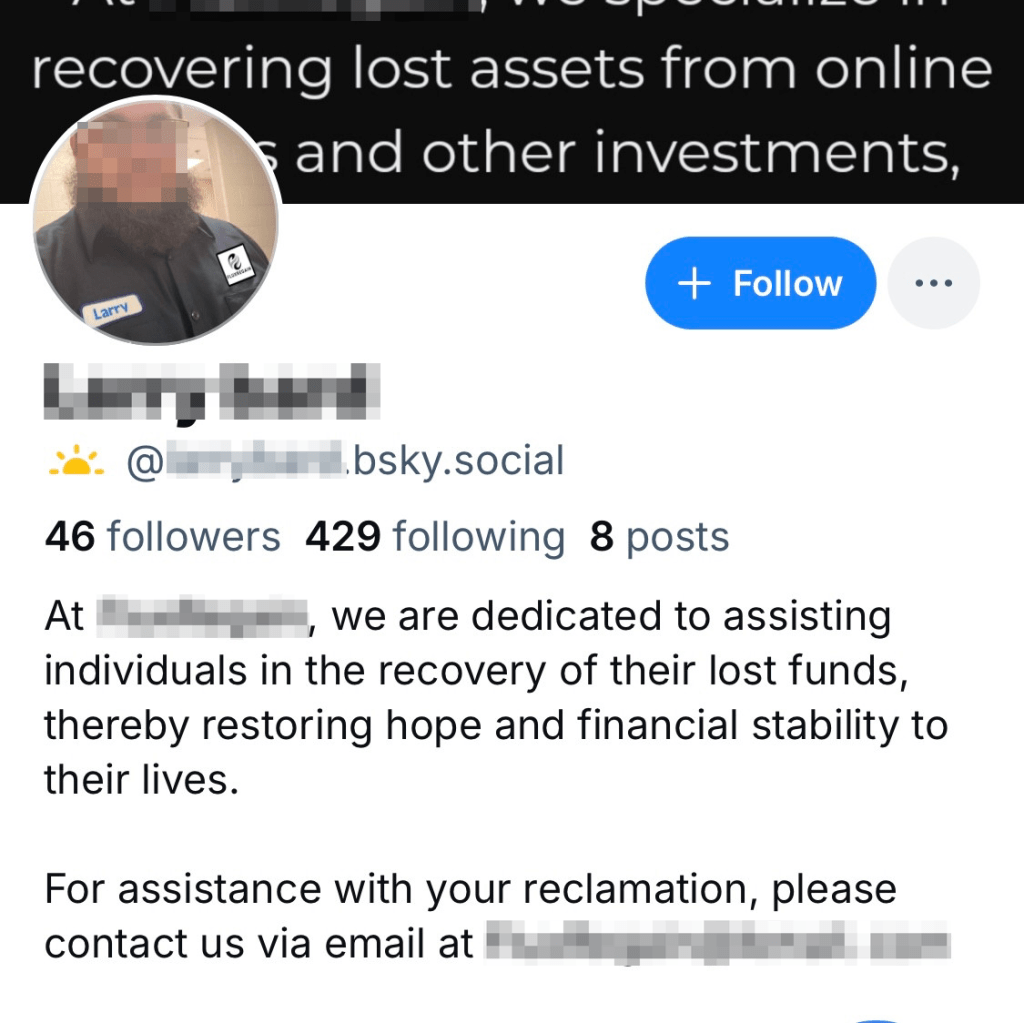
Here’s the brutal truth that scammers count on: once money is gone through cryptocurrency transfers, wire services, or gift cards, it’s virtually impossible to recover. But that harsh reality is exactly what recovery scammers exploit. They approach recent victims with official-looking websites, badges, and testimonials, all promising to help recover lost funds – for a fee, of course.
What makes these operations especially insidious is that they’re often run by the same criminal enterprises that conducted the original scam. Your contact information, along with details about how much you lost and what convinced you to send money, simply gets passed to the next team down the hall. They know exactly which emotional buttons to push because they or their colleagues pushed them the first time.

Why Recovery Scams Work
Recovery scammers understand human psychology all too well. They know that recent victims are dealing with a toxic mix of hope and shame. The hope of recovering losses makes people willing to take one more chance, while shame about falling for the original scam makes them hesitant to discuss the new “recovery service” with friends or family who might spot the warning signs.
These operations are sophisticated, often featuring:
- Impressive-looking websites with official seals
- Fake testimonials from “satisfied customers”
- Documents that appear to be from legitimate agencies
- Professional-sounding representatives who know legal terminology
- Promises of not just recovery, but justice against the original scammers

Protecting Yourself After a Scam
If you’ve been scammed, remember this: the shame belongs to the criminal, not to you. Scammers are professional predators who have honed their tactics through thousands of attempts. Falling for a scam doesn’t make you stupid – it makes you human.
The hard truth is that while you should absolutely report scams to law enforcement and the FBI, you need to make peace with the likelihood that the money is gone. Anyone promising otherwise is almost certainly setting you up for a second round of losses.
Moving Forward
The best defense against recovery scams is understanding that they exist and how they operate. Share your story with others – not just about the original scam, but about the recovery scammers who followed. Every person who knows about these operations is one less potential victim.
Remember: legitimate recovery services don’t exist, and legitimate law enforcement agencies never guarantee they can recover your money. The path forward isn’t through false promises – it’s through accepting what happened, learning from it, and helping protect others from experiencing the same thing.
Special thanks to @rahaeli.bsky.social for providing the screenshots and examples used in this article.
 THE INTERNET IS SCARY