The rise of Substack has transformed online publishing, giving independent writers a powerful platform to reach and monetize their audiences. But as more people turn to Substack for news and analysis, it’s crucial to understand what the platform is and what it isn’t.
The Illusion of Expertise
Just because someone can write compelling prose doesn’t mean they understand journalistic principles or have subject matter expertise. A tech worker with strong opinions about AI isn’t the same as a researcher who’s spent decades studying machine learning. A political junkie who reads lots of news isn’t equivalent to a trained political correspondent with cultivated sources and fact-checking resources.
What makes this especially dangerous is that many Substack writers genuinely believe in their own expertise and write with deep conviction about their experiences. That tech worker might know their corner of the industry inside and out, and that political enthusiast might quote polling numbers from memory, but they often don’t recognize the limits of their knowledge. Their confidence makes it nearly impossible for readers to distinguish between genuine expertise and well-written overconfidence – it’s like someone who makes great pasta declaring themselves a master of all cuisine.
The Content Treadmill
Substack’s subscription model creates a relentless demand for content, forcing writers to choose between quality and quantity. Writers feel pressured to publish frequently to maintain subscriber interest, leading to rushed work and corner-cutting. Quality research takes time – time that many Substack writers can’t afford if they want to keep their audience engaged.
The attention economy makes this problem even worse, as inflammatory content spreads far more quickly than thoughtful analysis. A nuanced exploration of policy won’t get nearly as many shares as a fiery takedown piece predicting disaster, and Substack writers know this – their livelihood depends on growing their subscriber base.
Ask yourself: Is this piece trying to inform you, or inflame you? More often than not, you’ll find writers chasing engagement through emotional triggers rather than pursuing deeper understanding, not because they’re bad people, but because that’s what the platform rewards.
The Format Trap
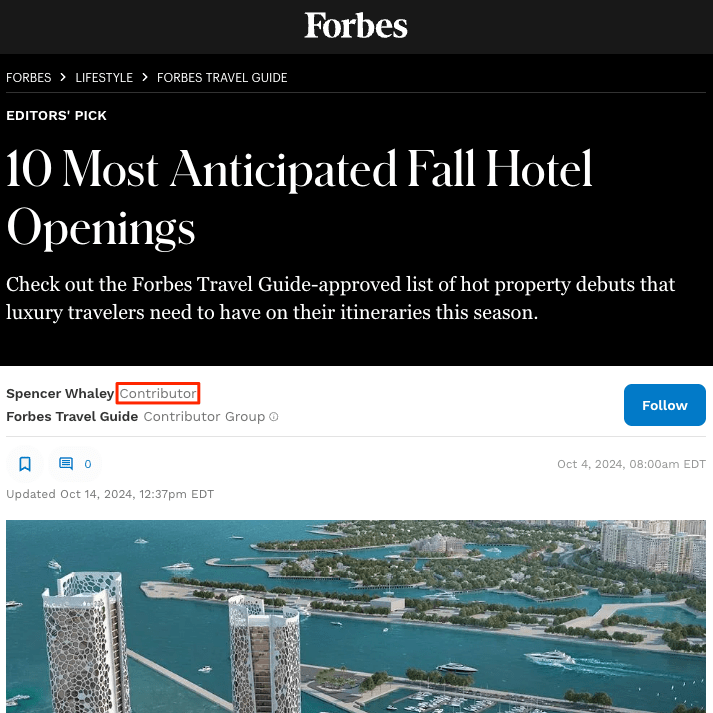
Substack’s uniform formatting makes every post look equally authoritative, whether it’s a thoroughly researched piece by an expert or a hastily written opinion piece by an amateur. Traditional media outlets share blame here too – publications like The New York Times, Forbes, The Hill, and others deliberately blur the lines between reporting and opinion, formatting both to look nearly identical, teaching readers to conflate personal commentary with verified reporting.
Substack is just another content management system, no different from Tumblr or WordPress in its basic function. While you probably wouldn’t trust a Tumblr post about vaccine efficacy, Substack has somehow acquired an unearned aura of authority simply because it lets writers charge for content. But a paywall isn’t a seal of quality – it’s just a business model, and the ability to convince people to pay for your writing doesn’t automatically make that writing true or reliable.

The Death of Editorial Oversight
Traditional journalism isn’t perfect, but it has safeguards: editors who challenge assumptions, fact-checkers who verify claims, legal teams who assess liability. Substack writers operate without these guardrails. There’s no one to ask “How do you know this?” or “Should we get another source?”
Building Better Information Habits
This isn’t about dismissing independent writers or glorifying traditional media. It’s about developing better information literacy. Before treating a Substack post as authoritative:
- Check if major news outlets have independently verified key claims
- Look for direct quotes and primary sources
- Be especially skeptical of “exclusive” stories without external confirmation
- Consider the writer’s actual expertise in the subject matter
- Watch for emotional manipulation and tribal signaling
Remember: Someone who eats at restaurants every day isn’t automatically qualified to be a food critic. Consumption doesn’t equal expertise, and passion doesn’t replace training.
The solution isn’t to abandon Substack – it’s to approach it with clear eyes and proper skepticism. Enjoy the perspectives it offers, but verify important claims through traditional journalistic sources before accepting them as fact.
 THE INTERNET IS SCARY